

History
Introduction
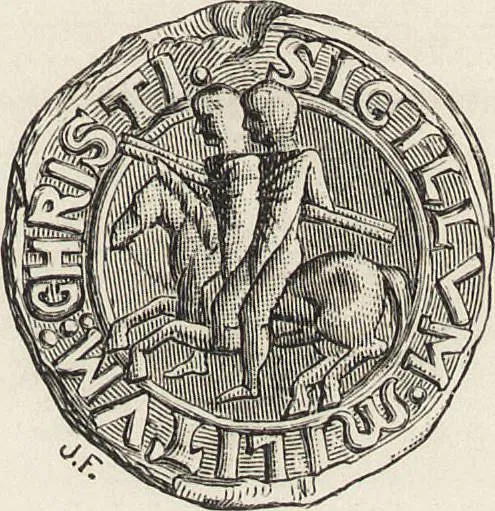
Founded in 1118 AD as “Pauperes commilitones Christi Templique Salomonici” which translates as The Poor Fellow-Soldiers of Christ and of the Temple of Solomon, the Knights Templar Order quickly established itself as one of the most influential chivalric institutions of the medieval era, dedicated to protecting pilgrims and upholding the values of justice, courage, and faith. However, following its suppression in 1307 AD, the Templar Order faced years of upheaval.
Templars scattered across regions to avoid persecution, with key members finding refuge in territories where their noble mission was safeguarded and preserved. Through continued dedication, the Order survived.

Foundation
By 1120 AD, the Templars had evolved from a simple brotherhood of knights into a fully Autonomous chivalric order. With royal patronage elevating their status, the Templars enjoyed full independence, not only in military endeavors but also in matters of governance and law.
This Autonomousty was further strengthened in 1139 AD when Pope Innocent II issued the papal bull Omne Datum Optimum, granting the Templars complete autonomy from any secular or ecclesiastical authority.

Persecution
On October 13, 1307, King Philip IV ordered the mass arrest of all Templars in France, launching a coordinated raid at dawn. Templars were arrested, interrogated, and tortured, with accusations of heresy and other crimes forced through extreme measures.
Many confessed under torture, feeding a narrative constructed by the French monarchy. Yet, despite these brutal efforts, the Order’s legacy endured.

Lineage
The Templar lineage persisted through centuries as a hidden network of initiatory succession, ensuring that the Order’s doctrines, rites, and mission were preserved. Even after the persecution in 1307, Templars adapted, operating in secrecy and passing down sacred knowledge.
Over time, Templar traditions influenced European civilization and helped shape cultural and humanitarian principles. This living heritage connects the past to the present, inspiring those who share its noble values.